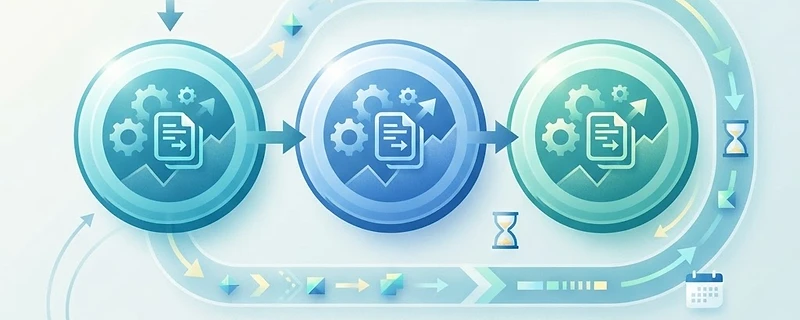
Understanding the 'Equifax/Experian/TransUnion' Data Furnishing Cycle: Why Changes Take Time
Ever wonder why your credit score doesn't update the moment you pay a bill? Learn how the data furnishing cycle affects your credit report updates.
It can be frustrating to pay off a credit card or resolve a balance only to find that your credit report remains unchanged weeks later. Many consumers assume that credit bureaus receive data in real-time, but the reality is a slower, batch-based system designed for consistency rather than instant updates. Understanding the mechanics of how data travels from your lender to the credit bureaus can help you manage your expectations and plan your financial goals more effectively.
The Role of Data Furnishers
Under the Fair Credit Reporting Act (FCRA), the entities that provide information about your accounts to credit bureaus are known as "data furnishers." These include banks, credit card issuers, auto lenders, and collection agencies. It is important to note that these furnishers are not legally required to report your data to the three major bureaus—Equifax, Experian, and TransUnion—every single day. Most lenders report account information on a monthly cycle. They gather all the activity for your account, from the payment history to the current balance, and send this "data batch" to the bureaus once a month on a date specific to their internal accounting schedules.
Why Your Report Isn't Real-Time
Because the reporting process relies on monthly batch processing, there is an inherent lag between the date you make a payment and the date that payment appears on your credit report. For example, if you pay off a credit card balance on the 5th of the month, but your lender sends their reporting batch to the bureaus on the 28th, that information will not be processed for several weeks. Once the bureaus receive this file, they must ingest the data, verify it against their existing records, and update your file. This administrative "processing time" can add several days to the lag, meaning your credit report might reflect data that is essentially a month old by the time you view it.
The Discrepancy Between Bureaus
Another common source of confusion is why your score or account balance might appear differently across the three major credit bureaus. Not every lender reports to all three agencies. Some local credit unions or smaller retail lenders might only report to one or two of the bureaus to save on administrative costs. Additionally, because each lender chooses their own reporting date, one bureau might have received an update from your mortgage lender while another has not yet processed the new monthly cycle. This lack of synchronization is perfectly legal and does not necessarily indicate an error in your file; it is simply a byproduct of how data is funneled into the reporting system.
How to Manage Expectations During Debt Paydown
If you are paying off debt to improve your credit score for an upcoming loan application, it is wise to act well in advance. Because of the monthly reporting cycle and the potential for processing delays, you should aim to clear your balances at least 45 to 60 days before you need your credit report to show the lowest possible utilization. By giving the furnishers and the bureaus an extra month to cycle through their data, you ensure that your report reflects your most accurate financial situation before a lender pulls your credit for a new application. Always keep copies of your "paid-in-full" letters or transaction confirmations; while the bureaus eventually receive the data, having your own records is essential if you ever need to dispute a missing update.
This article is general information, not legal, financial, or tax advice.
Take the next step
Understanding the rhythm of your credit report is the first step toward true financial autonomy. If you are ready to gain deeper insights into your personal credit health, we invite you to see Pro pricing for advanced features. You can also start by checking your status with our free credit checkup at /checkup.
Ready to take control of your credit?
Start free, or see how Pro can speed things up.
This platform provides self-help tools and educational information. It is not a credit repair organization, credit bureau, lender, financial institution, or law firm. Use of this platform does not create an attorney-client relationship. Results are not guaranteed. Accurate negative information generally cannot lawfully be removed merely because it is unfavorable.