What Is a Creditor's 'Reporting Date' and Why Does It Matter for Your Score?
Ever wonder why your credit score fluctuates even when your balance stays the same? It often comes down to the specific reporting date of your accounts.
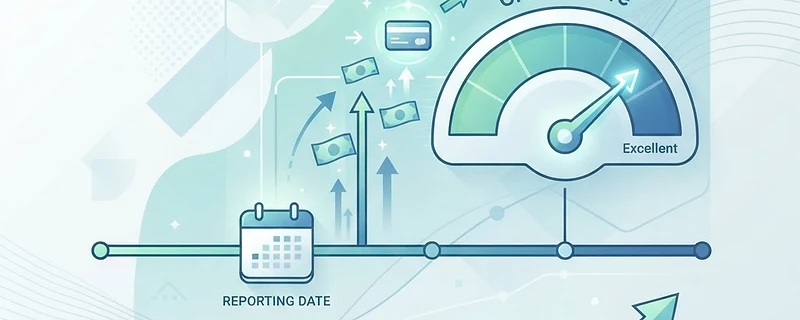
Most consumers are familiar with the concept of a credit card due date, but many are surprised to learn that this is not the only date that dictates their credit standing. While your payment due date determines when you avoid late fees, your creditor’s reporting date is what actually determines the information that gets sent to the three major credit bureaus. Understanding the timing of this data submission is one of the most effective ways to manage your credit utilization ratio and ensure your report reflects your true financial habits. ## What Is the Difference Between Due Date and Reporting Date? Your due date is a contractual obligation. If you miss this date, you risk late fees and negative marks on your credit report. The reporting date, however, is an internal operational date used by the credit issuer. This is typically the statement closing date or a specific day of the month when the lender snapshots your current balance. Whatever balance is present on this specific day is what is forwarded to Equifax, Experian, and TransUnion. If you carry a high balance throughout the month but pay it off in full after the statement closes, the credit bureaus will still show that high balance for the entire next month. This creates a disconnect where your report might show high utilization even if you are a responsible borrower who pays every bill in full. ## How Reporting Dates Impact Utilization Your credit utilization ratio—how much of your available credit you are using—is a major factor in calculating your credit score. Because lenders only report your balance once per billing cycle, a snapshot taken right before your payment arrives can make your debt appear higher than it actually is. For example, if you have a $5,000 credit limit and a $2,000 balance at the time of the reporting date, your report will show 40% utilization. If you pay that $2,000 off two days later, the report will not update until the next reporting cycle. This "balance lag" is often why consumers feel their credit score does not immediately reflect their efforts to pay down debt. ## Strategies for Managing Your Reporting Cycle To better align your credit report with your actual financial behavior, you can contact your credit card issuer to ask when they report your balance. Many lenders are willing to share this information. If you want to keep your utilization reported as low as possible, aim to pay down your balance three to five days before your statement closing date. By doing this, you ensure that when the lender takes their "snapshot" of your account, the balance shown is minimal. This does not mean you have to pay the entire bill twice; it simply means adjusting the timing of your payment so it clears before the reporting window closes. This small adjustment can sometimes lead to a lower reported utilization ratio, which may have a positive impact on your score calculation. ## What to Do If Data Is Consistently Wrong While reporting dates are standard, errors can occur. If you notice that your balance is being reported as significantly higher than it is on your actual billing statements, or if a zero-balance account is still showing a high amount, you may need to reach out to the lender's credit reporting department. Under the Fair Credit Reporting Act (FCRA), lenders are required to report accurate information. If you have confirmed that the lender is reporting incorrect figures, you can initiate a dispute through the bureau's online portals or by sending a formal letter. Before doing so, always ensure the discrepancy isn't just a timing issue caused by the reporting date cycle. This article is general information, not legal, financial, or tax advice. ## Take the next step Managing your credit report requires understanding the mechanics behind the data. To get a clearer picture of your own report, we encourage you to perform a free credit checkup at /checkup. If you are ready for a more hands-on approach to monitoring and managing your file, see Pro pricing to learn about our comprehensive tools.
Ready to take control of your credit?
Start free, or see how Pro can speed things up.
This platform provides self-help tools and educational information. It is not a credit repair organization, credit bureau, lender, financial institution, or law firm. Use of this platform does not create an attorney-client relationship. Results are not guaranteed. Accurate negative information generally cannot lawfully be removed merely because it is unfavorable.